
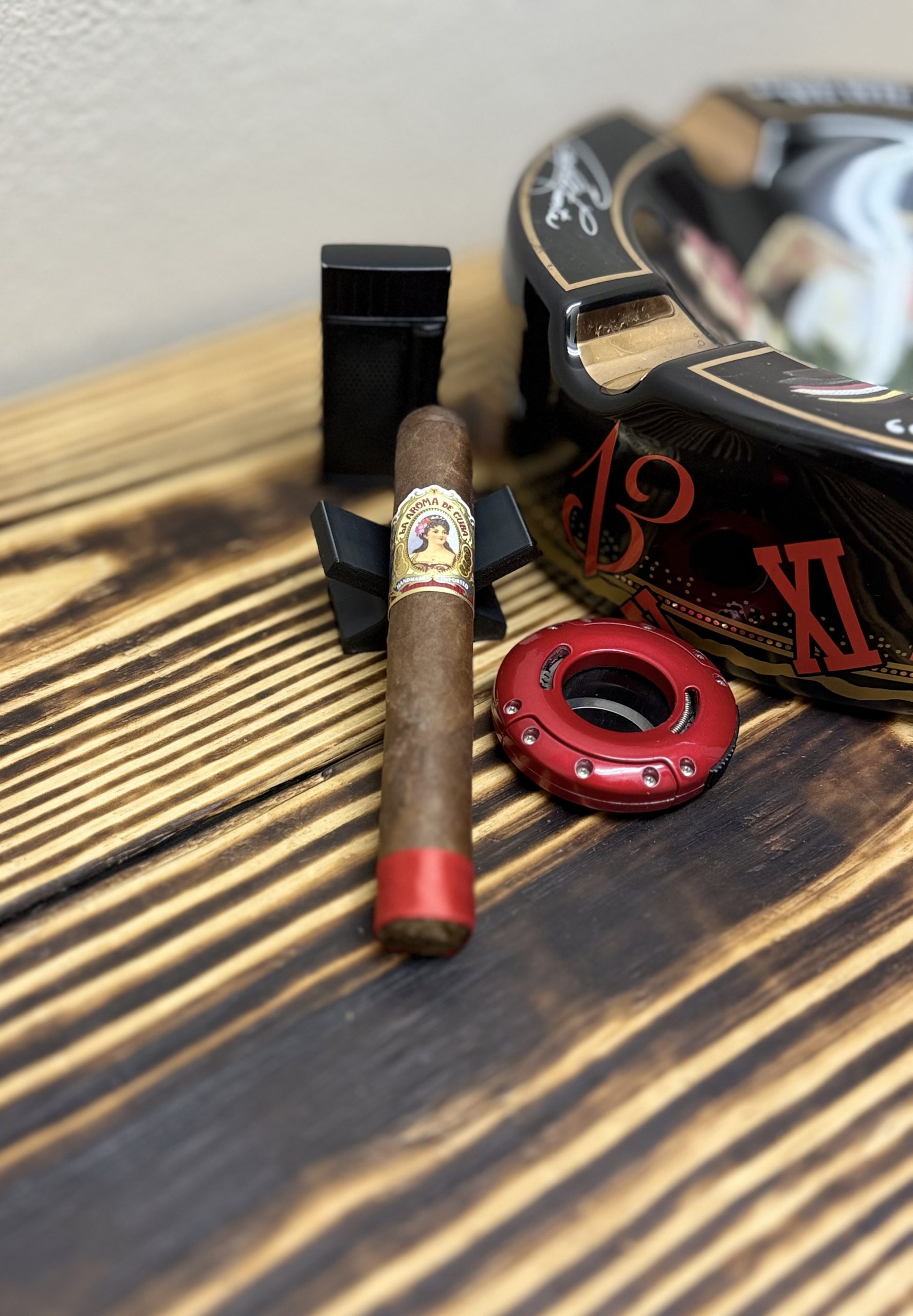
La Aroma de Cuba Original Monarch – Bury the Leaf
Some cigars spend the whole evening trying to prove how clever they are. The La Aroma de Cuba Original walks in, pulls out a chair, and orders the steakhouse salad before anybody else has opened the menu. Then it follows that bright green start with toasted wheat, black pepper, leather, coffee, and charred cedar, all while burning like somebody drew the line with a ruler.
That sounds like a strange dinner order, but this cigar makes it work. It is the kind of Garcia blend that reminds you why certain family signatures are easy to recognize: sturdy construction, earth under everything, pepper when it matters, and enough sweetness to keep the heavier notes from turning into work. Nothing here needed a sales pitch. The cigar simply kept showing up draw after draw, doing exactly what it was supposed to do.
This was the Original Toro after a little more than 90 days in the humidor, and it smoked like it had been waiting on the calendar to catch up. At $8.80 shipped, I would buy it again without blinking. Actually, that is not a hypothetical. I bought two La Aroma de Cuba fresh packs, and this cigar made that decision look smarter with every inch of ash.
By the Numbers
- Vitola: Monarch, 6 x 52
- Wrapper: U.S. Connecticut Broadleaf
- Filler/Binder: Nicaraguan
- Cut: Xikar guillotine cutter
- Procured from: Cigar Page, La Aroma de Cuba fresh pack
- Price Paid: $8.80 shipped
- Estimated MSRP: $8.74
- Duration: 1 hour, 28 minutes
- Band Rating: 5 Bands — The Evening Draw: exceptional. Already bought a stack and will buy more.
Construction & First Impressions
The wrapper and foot led with sweet cocoa and a little earth before flame ever entered the conversation. The Broadleaf had a rich brown color and enough visible vein to remind you this came from a plant, but nothing about it looked rough or careless. The seams were tight, the body felt evenly packed, and there were no soft spots hiding under the band. It was the kind of construction you expect when the Garcia family is involved: not flashy, just squared away.
The red foot ribbon happened to match the shirt, the cutter, and even the light glowing near Lincoln in the lounge. None of that was planned. Sometimes the cigar gods handle the wardrobe department while the rest of us are trying to remember how to spin a cutter for the camera. The cutter trick was not my finest work, but the Xikar took a clean little nip from the cap and left the head intact.
The cold draw carried that cocoa sweetness forward. It was direct, easy to find, and promising without giving away the entire show. The draw itself had the right amount of resistance, and once the soft flame decided not to cooperate, a My Father lighter stepped in from the bullpen. The foot toasted evenly and gave off a sweet cherry-like aroma.
That first lit draw landed with excellent flavor immediately. The sweetness sang before settling into the background, and a subtle pepper and earthy base started moving toward the front. There was no waiting period and no awkward first act where the cigar had to figure itself out. It came out of the gate composed.
First Third
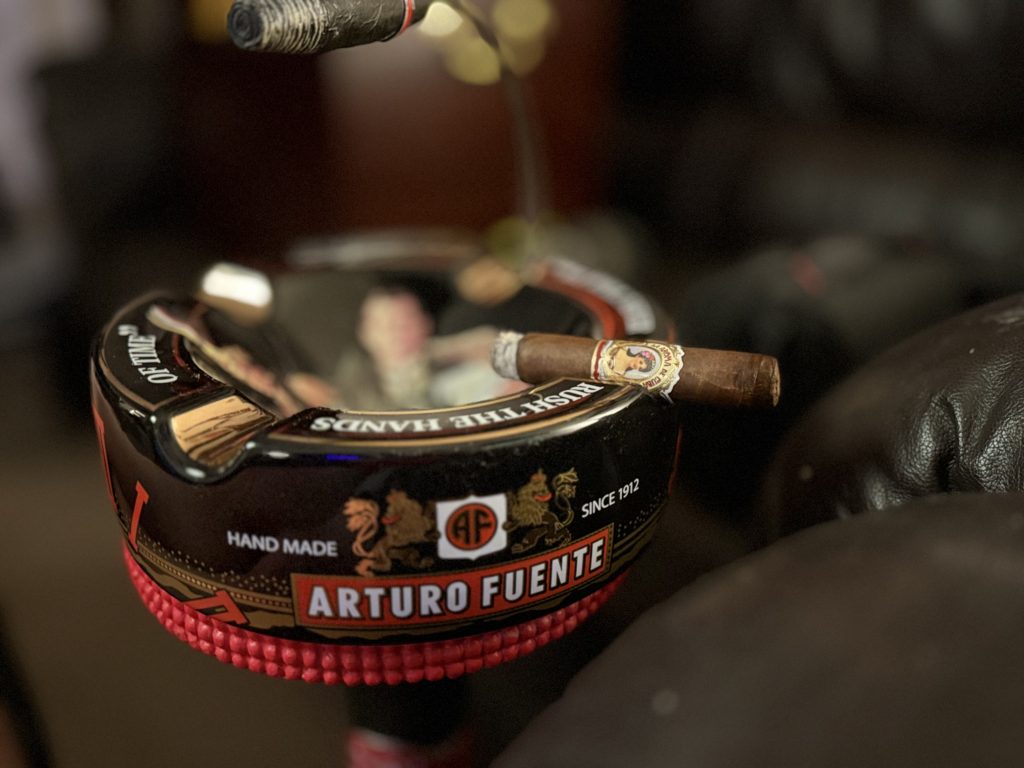
The first real surprise was a bright, green flavor that reminded me of garden lettuce. That is not a standard cigar-review note, and I am not going to dress it up in a tuxedo just to make it sound respectable. It tasted like the salad at a good steakhouse: crisp lettuce, earthy depth, and black pepper scattered over the top. The note was subtle and reserved, but it was there, and it gave the profile an unexpected lift.
Once the imaginary salad plate got cleared away, the cigar settled into something fuller and meatier. Black pepper grew more confident. Earth stayed underneath it. A light sweetness hovered around the edges without turning syrupy. The whole thing felt balanced in the same practical way a good dinner does when every part has a job and nobody at the table is fighting for attention.
The construction made it easy to concentrate on the flavor. The burn line stayed razor sharp. The draw remained steady. The ash held without requiring any babysitting. This is where the cigar began feeling less like a pleasant surprise and more like a definition: if Merriam-Webster needed a picture next to “Garcia-made cigar,” the La Aroma de Cuba Original would be a strong candidate.
Then the toasted wheat arrived. Imagine putting a piece of wheat bread in the toaster, taking it right to the edge of crisp, and pouring black pepper over it. That was the note. It was dry, warm, a little rustic, and completely different from the cocoa on the cold draw. I had not seen it called out in the usual descriptions, but there it was, plain as day and every bit as enjoyable as it sounds strange.
Second Third
At the halfway point, consistency was the headline. Earth and pepper continued to lead, though the pepper mellowed enough to let the quieter notes step forward. The cigar did not make some dramatic costume change between thirds. It developed the way a good conversation does: same people, same subject, but a few new details appear once everybody settles in.
That steakhouse lettuce note kept coming back. Sometimes it lasted only a draw or two, but it returned often enough that it could not be dismissed as imagination. Its brightness cut through the earth and gave the profile room to breathe. A little minerality joined it, along with a thin ribbon of sweetness that softened the edges without changing the cigar’s identity.
This was also the stretch where the value became impossible to ignore. The cigar came from a La Aroma de Cuba fresh pack bought through Cigar Page, with the cost landing at $8.80 per stick shipped to the front door. At that price, I do not need a special occasion or a velvet smoking jacket. I need room in the humidor.
La Aroma de Cuba may live under the Ashton umbrella, but the Garcia fingerprints are all over the Original. It has the strength, earth, pepper, steady combustion, and no-nonsense flavor that make My Father-made cigars feel familiar even when the label changes. That does not mean every Garcia blend tastes the same. It means the same set of hands seems to understand how to build a cigar that performs without excuses.
Through all of this, the burn stayed disciplined and the draw never wandered. There were no touch-ups, tunnels, or construction detours to interrupt the experience. Plenty of cigars taste good when they behave. The better trick is tasting this good while making the mechanics disappear.
Final Third
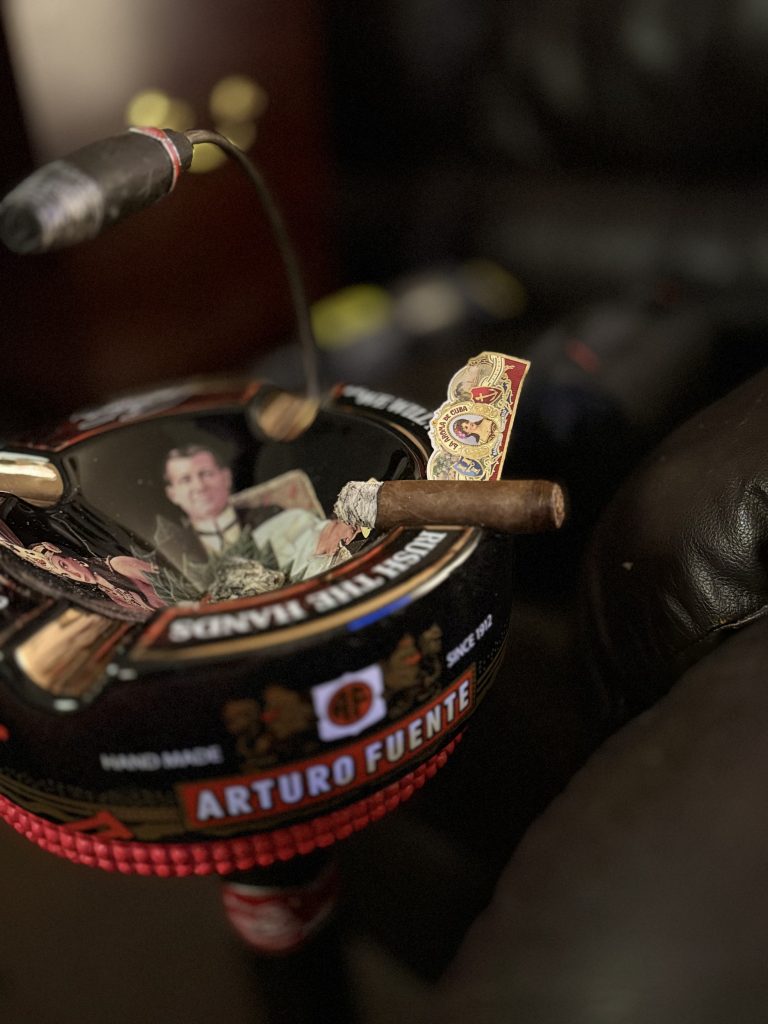
Near the end of the second third, the profile began turning darker. Coffee and espresso moved in, followed by a touch of wood that first registered as burnt and then found the more accurate word: charred. This was not the bitter taste of something ruined. It was the muted edge of wood after flame has kissed it, closer to a fire-toasted cedar plank than an ash pile.
The restricted exhale brought pepper, but leather was the bigger story. Leather pepper—not lemon pepper—became the bridge into the final third, and it felt like the missing piece in a signature Garcia profile. Earth, pepper, toasted grain, cedar, and leather finally sat at the same table. The early sweetness had mostly stepped back, though enough remained to keep the darker notes from becoming harsh.
The cigar had started boldly and spent the evening winding itself down with control. Mildly charred cedar became the resting flavor, pleasant and steady, with coffee still hanging nearby. The strength never felt reckless. It carried enough weight to deserve respect, but it did not turn the last stretch into a chore.
There is a difference between a cigar fading and a cigar easing off the throttle. This one did the latter. The early salad brightness and toasted wheat had already done their work, so the darker finish did not feel like a loss of complexity. It felt like the lights coming down after the band has played the last big number. Cedar, coffee, leather, and pepper stayed onstage, each one clear enough to recognize without elbowing the others out of the way.
Even with the profile getting darker, bitterness never took over. Here, the final third remained useful all the way down. The cigar did not demand a heroic nub-smoking performance, but it rewarded one. A slow cadence kept the heat under control and let that leathery, charred-cedar finish hang around longer than expected.
As the nub shortened, some of the pepper returned and the leather became more pronounced. Heat never wrecked the profile, and the construction continued to hold its line. I was genuinely sorry to see this one reach the end. That is usually the cleanest verdict a cigar can earn: not relief that it is over, but irritation that there is not another inch left.
Millennium of Aftermath
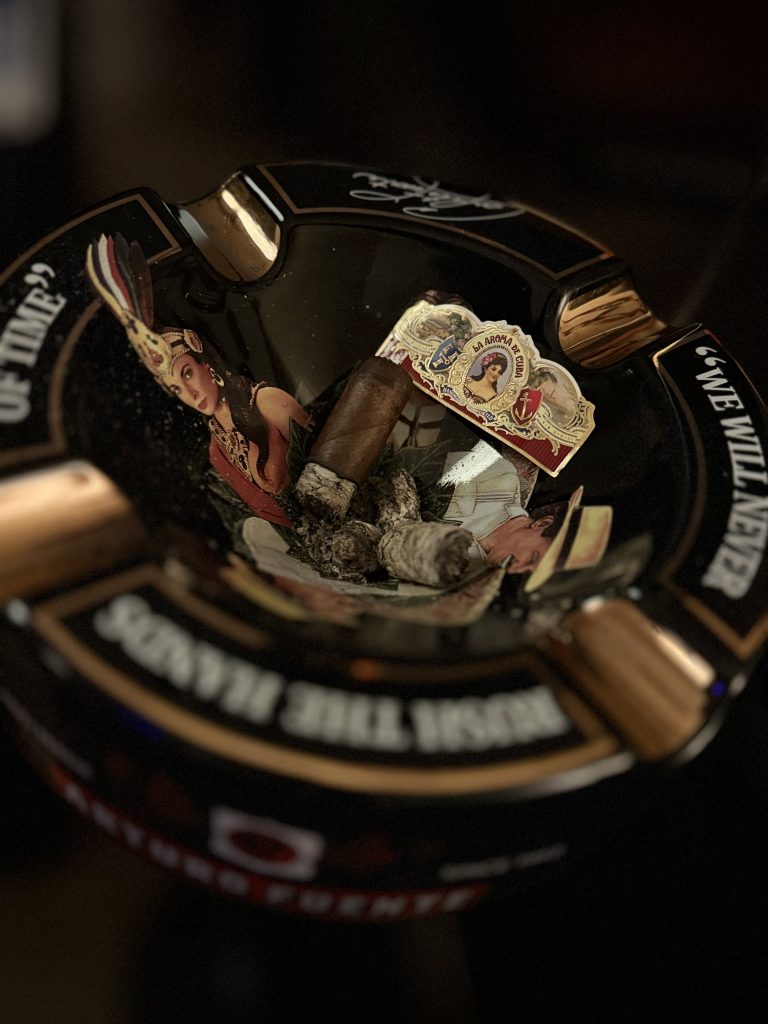
The La Aroma de Cuba Original is a fantastic entry point into the Garcia side of Ashton’s catalog. It delivers the recognizable foundation—earth, black pepper, leather, sturdy strength, and nearly spotless construction—without asking the smoker to decode anything. The oddball brightness of that steakhouse-salad note and the toasted-wheat turn kept it from feeling predictable, while coffee and charred cedar gave the finish a darker landing.
This La Aroma de Cuba Original Toro review ends where the smoke did: with a leather-and-pepper finish, a clean burn line, and no real complaint to manufacture for the sake of sounding balanced. The cigar was consistent without becoming boring, flavorful without becoming loud, and strong enough to carry its profile without bullying the palate.
Do not confuse the Original with the Reserva simply because both wear red at the foot. The Original is its own straight-down-the-middle expression, and it is exactly the kind of cigar that makes fresh packs and samplers worth buying. Those assortments expose you to a catalog instead of trapping you inside the same five cigars you already know.
At $8.80 shipped, this one is more than easy to recommend. It is humidor material. It is fresh-pack material. It is the cigar you hand somebody who wants to understand why the Garcia name keeps showing up in conversations about flavor and construction. Five Bands means exceptional, already bought a stack, and will buy more. The La Aroma de Cuba Original earns every bit of that definition.
-
Wanted for Disturbing the Peace
Black Label Trading Company Lawless Robusto – Bury the Leaf Some cigars politely introduce themselves.…
-
Sometimes the Guy Behind the Counter Knows Something
Stolen Throne Call to Arms Sumatra – Bury the Leaf There are plenty of ways…
-
A S’more at the Start and Corojo by the Finish
Ceniza Fina Corojo – Bury the Leaf Some cigars arrive with a marching band. This…

Leave a Reply