
Stolen Throne Call to Arms Sumatra – Bury the Leaf
There are plenty of ways to buy cigars in 2026 without ever speaking to another human being. Search a wrapper. Sort by price. Read a couple reviews. Find a coupon code. Have a box sitting on your porch three days later.
Efficient? Absolutely.
But every now and then, you ought to walk into a cigar shop and admit you don’t know everything.
That is how the Stolen Throne Call to Arms ended up in my hand.
I was standing inside The Cigar Vault in Oakdale, Pennsylvania, talking about Rojas Cigars and a new PCA release when the conversation wandered toward what I actually like. I mentioned that I’m a Rojas fan but Connecticuts generally aren’t where I spend my money. The guy helping me didn’t argue. He didn’t launch into a sales pitch.
He pointed somewhere else in the humidor.
“If you like Rojas, you’ll like this.”
Never heard of Stolen Throne. Never smoked one. Didn’t walk through the door looking for one.
Perfect.
Because sampler packs, cigar clubs and recommendations from people who actually know their humidors have introduced me to more good cigars than playing it safe ever has.
This time the recommendation came with a Sumatra wrapper, a closed foot and Noel Rojas somewhere in its family tree.
Turns out the guy behind the counter knew exactly what he was doing.
By the Numbers
- Vitola: Robusto — 5 x 50
- Wrapper: Sumatra
- Filler/Binder: Nicaraguan / Nicaraguan
- Cut: Straight cut — SV guillotine
- Procured from: The Cigar Vault — Oakdale, Pennsylvania
- Price Paid: $9.09
- Estimated MSRP: Approximately $9–$10
- Duration: 55 minutes
- Band Rating: 4 Bands — Box Worth
Construction & First Impressions
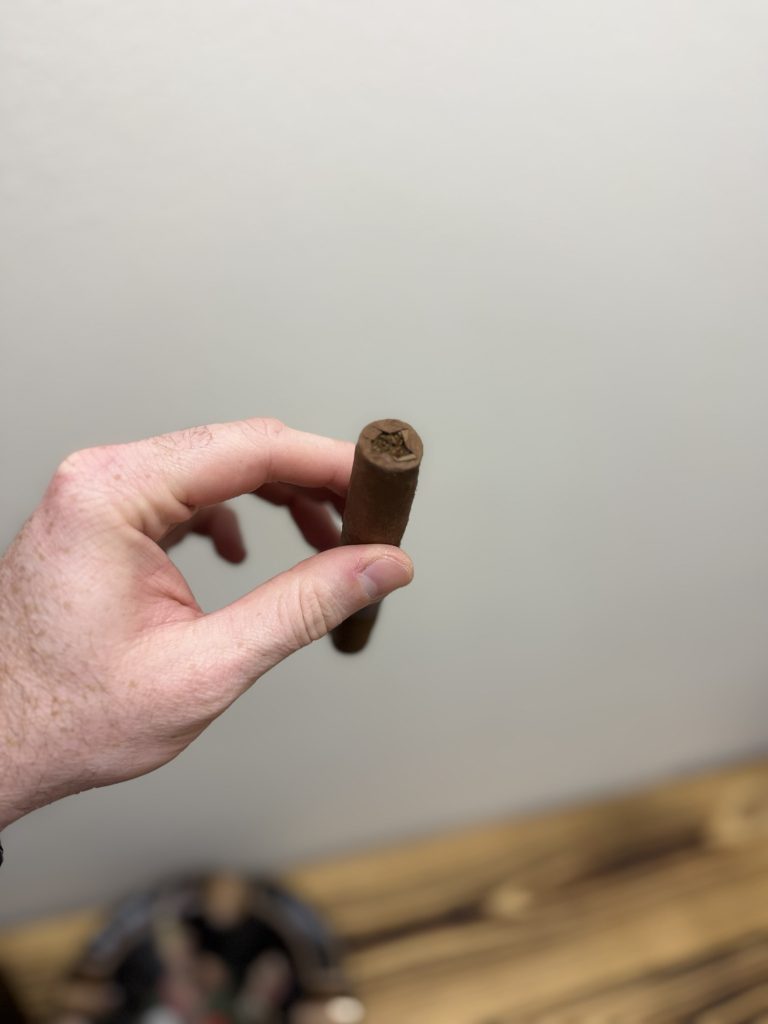
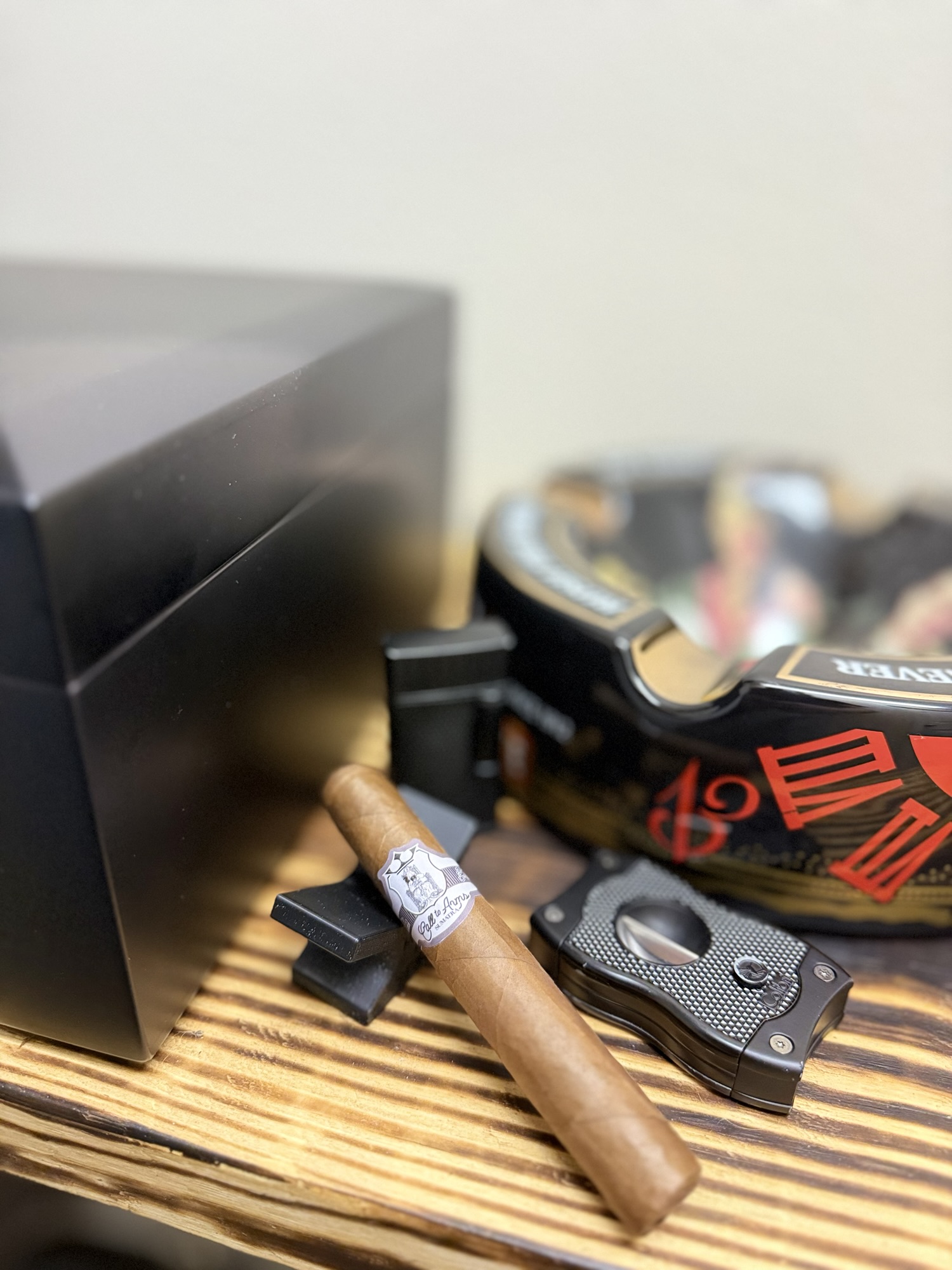
The Call to Arms doesn’t look like it was designed by a committee trying to win a packaging award.
Good.
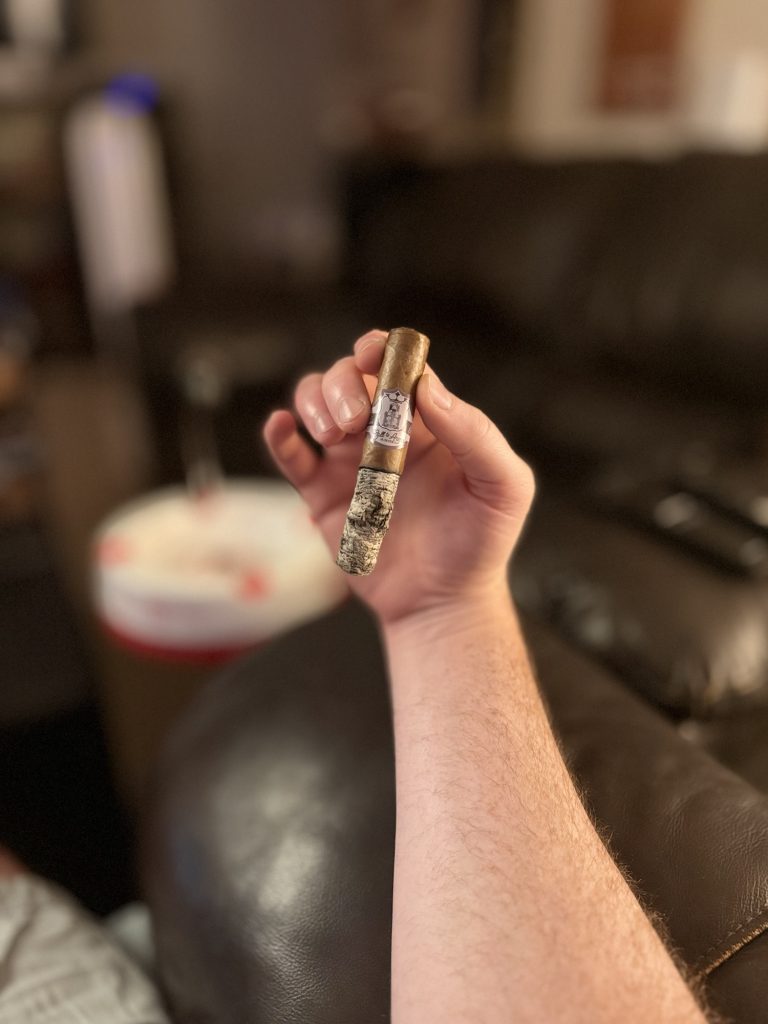
The band is small, understated and mostly white and gray against a handsome medium-brown Sumatra wrapper. It does its job and gets out of the way. I might have picked a different color against this particular leaf if Stolen Throne had inexplicably invited me into the marketing meeting, but thankfully for everyone involved, they did not.
The wrapper itself was attractive, with a pronounced but tight seam and no obvious deficiencies from cap to foot on the initial inspection. Up top was a shallow-looking cap that revealed itself to have more going on than I first thought, giving me enough room to get the SV guillotine positioned perpendicular and take a clean cut.
The draw landed on the open side with just enough resistance to keep it honest.
Then there was the foot.
Closed.
If you’ve spent much time around Rojas cigars, that isn’t exactly foreign territory, and I’m a fan of it. A closed foot gives you an opportunity to experience the wrapper almost by itself during those first few moments. Consequently, I don’t toast one the way I normally would. Put fire to the wrapper and let the cigar introduce itself.
Before lighting, there was sweetness from the foot while the wrapper itself wasn’t especially talkative.
That changed in a hurry.
First Third
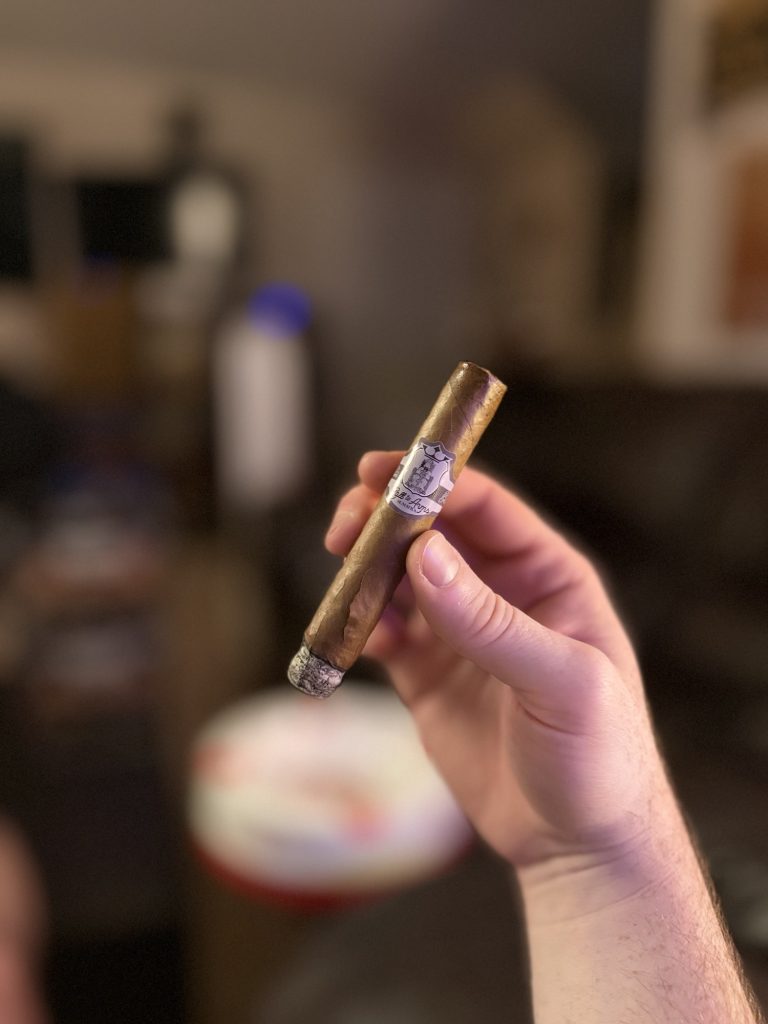
The Call to Arms jumped out of the gate throwing red pepper.
Not black pepper. Not generic “spice” because I couldn’t figure out what else to call it.
Red pepper.
Behind it came a toasted quality that settled somewhere around toasted almond, followed by a bread-like note that rounded everything out. Then something sweeter began moving underneath the spice. At first I couldn’t decide whether I was getting vanilla or cream. Eventually I stopped trying to force the distinction.
Sweet creaminess with red pepper flake dancing behind it.
That’s plenty specific.
The closed foot earned its keep immediately because that first burst of Sumatra wrapper flavor made the opening noticeably different from a conventionally finished cigar. I bought this because somebody told me a Rojas fan ought to try it, and an eighth of an inch into the thing, he wasn’t wrong.
Then the cigar reminded me that tobacco leaves are agricultural products rather than precision-machined aerospace components.
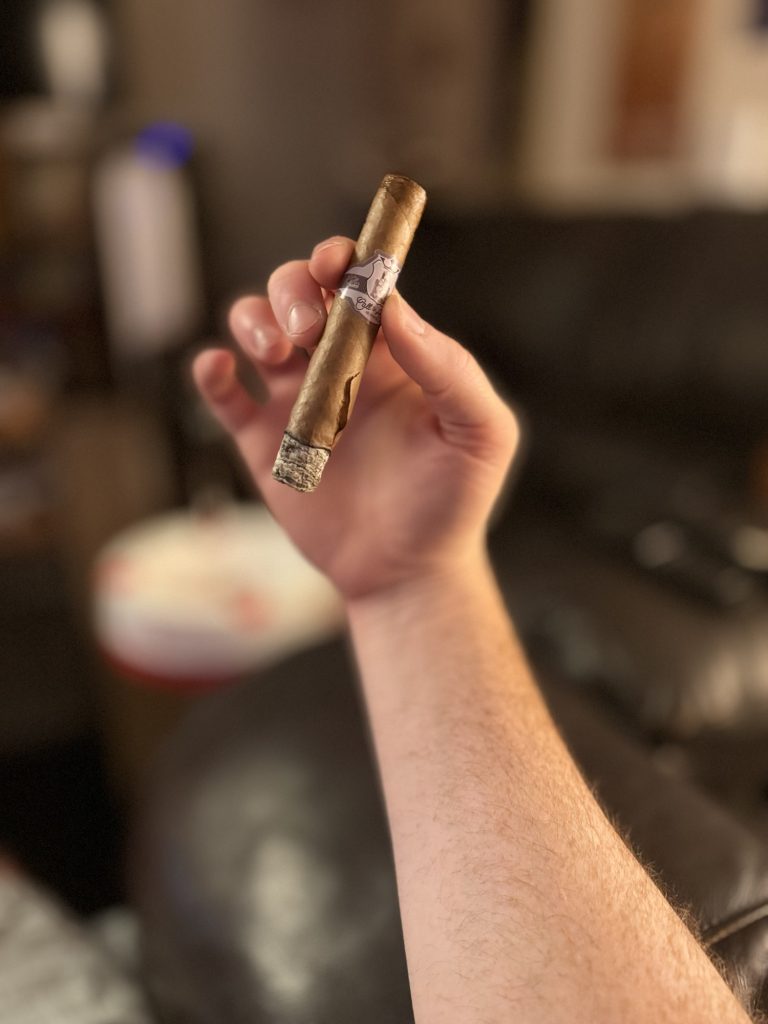
A sizable wrapper crack appeared roughly two inches from the foot.
And when I say sizable, I mean sizable.
The wrapper opened, and for a moment the binder beneath it appeared to have joined the party. It was exactly the kind of construction issue that can make you stare at a cigar instead of smoking it, waiting for a small problem to become a large one.
The Call to Arms didn’t seem particularly interested in cooperating with my anxiety.
The seam effectively stopped the crack from spreading. The ash mushroomed slightly around the damaged area, but the burn kept moving. The flavor barely cared.
More pepper arrived. A touch of earth joined it. The earlier sweetness backed down somewhat.
So eventually I arrived at the only reasonable conclusion:
Quit worrying about the damn crack and smoke the cigar.
That was the right decision.
One other characteristic became apparent fairly quickly. Despite being listed as a 50-ring-gauge Robusto, this cigar feels smaller in the hand and mouth. I kept questioning whether it was actually a 50 because the proportions simply didn’t register that way to me.
That became relevant because the Call to Arms can get warm if you’re impatient with it.
And I can be impatient with cigars I like.
Second Third
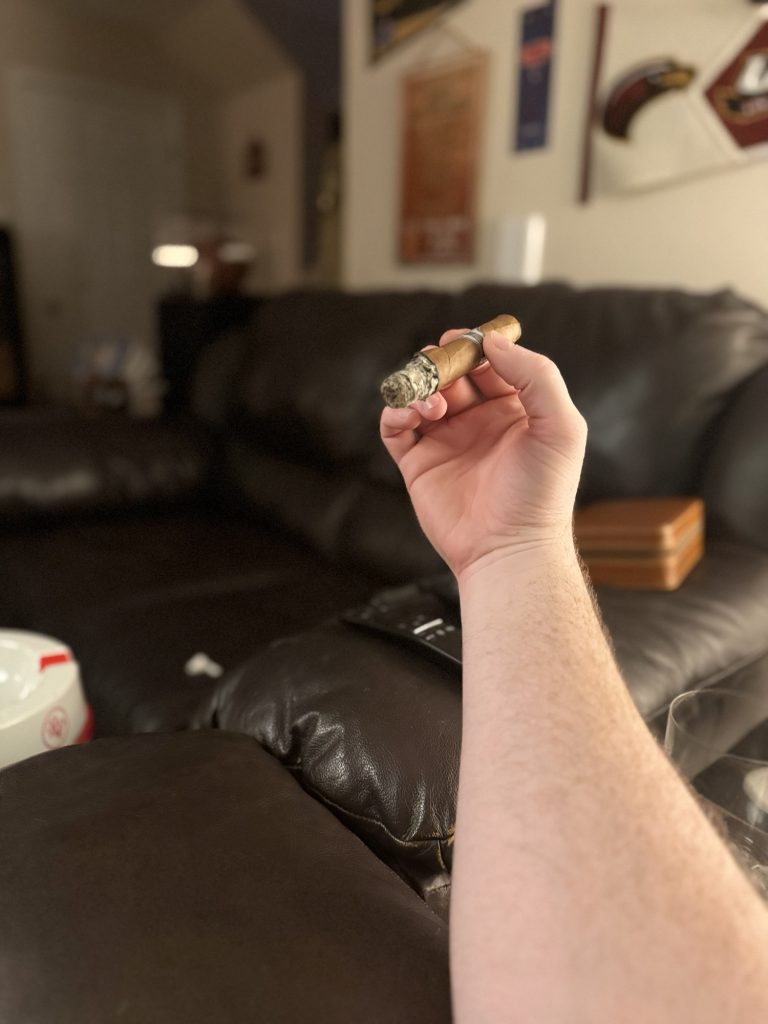
By the time the damaged wrapper had burned through, you could have ashed the cigar and never known there had been a problem.
That alone impressed me.
Then the Call to Arms started changing clothes.
Leather came into the profile, but not the sharp, fresh smell of a new belt or an untouched leather chair sitting under fluorescent lights at the furniture store. This was worn leather. Broken-in leather. The old chair you’ve been sitting in for twenty years that has finally surrendered to the shape of the person occupying it.
If you need to lick a new chair and then a twenty-year-old chair to understand the distinction, that’s between you and the furniture salesman.
I have given you all the warning you’re getting.
The vanilla I had been chasing earlier became more pronounced, and the body started filling out substantially. A small amount of red-pepper heat remained, but it wasn’t dominating the cigar anymore.
The profile became a semi-sweet combination of leather and vanilla with enough lingering spice to keep the sweetness from turning soft.
This was where I had to start policing myself.
The smaller-feeling ring gauge and increasingly enjoyable profile made me want to chase every puff. Do that and the Call to Arms pushes back. The smoke warms up, and you can feel the potential for bitterness waiting around the corner.
Slow down, however, and the cigar rewards you.
That’s sometimes easier said than done.
There’s a particular cruelty to a cigar being good enough that you want another puff while simultaneously being better when you leave it alone. The Call to Arms became that cigar.
Let it rest.
Pick it back up.
There it is again.
Vanilla. Mellow leather. The remnants of pepper. Plenty of body without turning into a brute.
For a boutique cigar I knew absolutely nothing about when I walked into the shop, this thing had become awfully difficult to put down.
Final Third
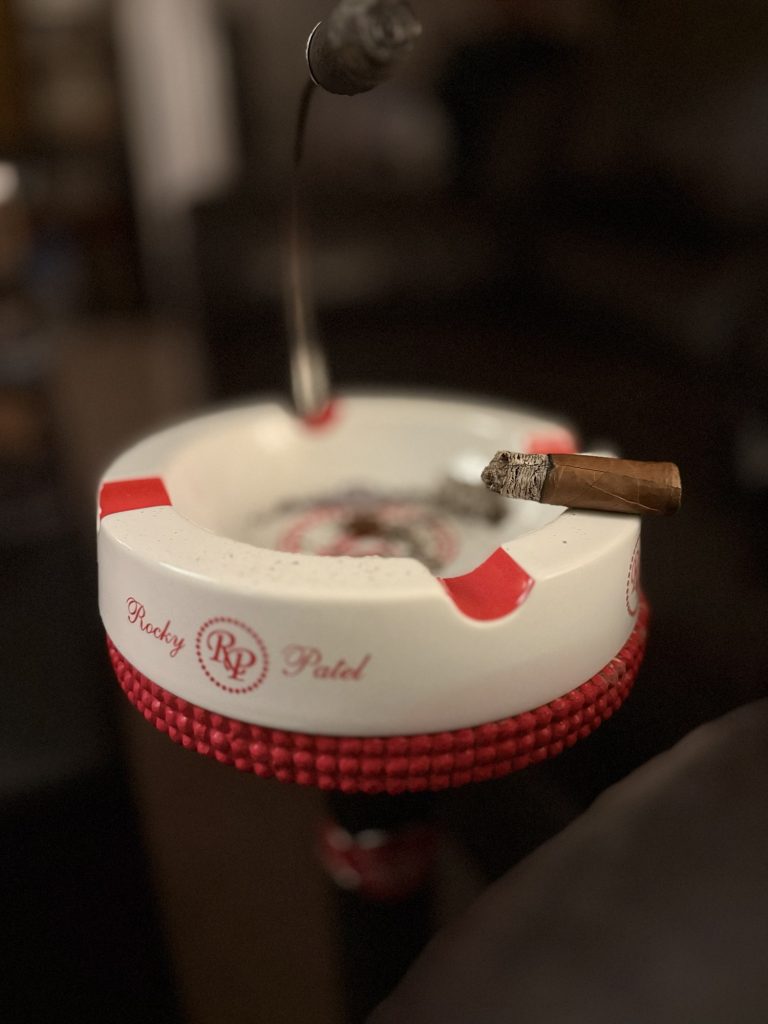
Coffee eventually entered the picture and then sharpened toward espresso.
The leather that had anchored much of the middle began fading away. In its place came espresso, a slight touch of chocolate and that persistent pepper hanging around just enough to remind me how the cigar started.
This wasn’t a cigar that spent an hour throwing random flavors against the wall.
There was a progression.
Red pepper, toasted almond and bread opened the show. Sweet cream and vanilla softened the edges. Leather moved into the center as the body increased. Espresso and chocolate carried it home.
And remarkably, the wrapper crack that looked capable of wrecking the entire experience became little more than a footnote.
Take that defect out of the equation and the Call to Arms smoked incredibly well. The burn line recovered and performed without requiring me to spend the session playing amateur cigar surgeon. The draw remained right where it needed to be.
The bigger challenge was temperature.
This cigar wants patience. It isn’t interested in being chain-puffed because you’re enjoying yourself. When I got overeager, it heated up. When I backed off, everything came back together.
That’s not a criticism as much as an instruction manual.
Smoke the damn thing slowly.
Near the end, the profile returned some nuttiness alongside vanilla and leather, giving the cigar one last reminder of the flavors that had carried the middle before I finally surrendered the nub.
Fifty-five minutes after I started, I was looking at a cigar I bought entirely because someone behind a counter said I should.
I’ll listen to him again.
Millennium of Aftermath
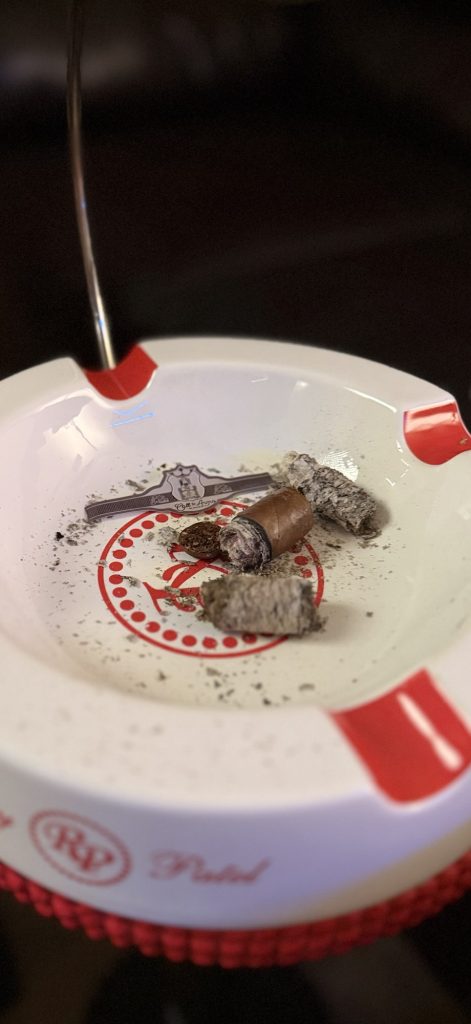
The wrapper crack has to count.
You can’t write an honest review, photograph a split that looks like somebody opened a trap door in the side of the cigar, and then pretend construction was flawless.
It wasn’t.
But I’m also not going to manufacture outrage over something that ultimately had almost no effect on the smoking experience. Tobacco is tobacco. Wrappers occasionally crack. This cigar had been properly stored, the split stopped at the seam, the burn moved through it, and the Call to Arms recovered without intervention.
After that?
I can’t think of much I didn’t like.
The closed foot was fantastic. The 5 x 50 Robusto felt smaller than its listed dimensions in exactly the way I like. The Sumatra wrapper delivered sweetness and spice without turning the cigar into dessert. The red pepper opening gave way to cream, vanilla and beautifully broken-in leather before espresso and chocolate carried the final stretch.
Most importantly, it never tasted like the Rojas cigar I expected it to taste like.
That’s a compliment.
The Noel Rojas connection is what got this cigar into my hand, but Stolen Throne didn’t simply give me another version of something I’d already smoked. The Call to Arms had its own personality.
At $9.09, I’m absolutely buying it again.
More importantly, this is exactly why The Evening Draw keeps beating the same drum: buy the sampler packs. Join the cigar clubs. Talk to the people working inside good cigar shops. Tell them what you like, tell them what you don’t, and every once in a while let somebody hand you something you’ve never heard of.
The Cigar Vault in Oakdale did exactly that for me. Their humidor leans heavily into boutique cigars, and this was one of those recommendations that makes walking into an actual brick-and-mortar shop worth the trip.
Stolen Throne got my attention with one cigar.
The Call to Arms made sure I’ll be looking for the rest.
4 Bands — Box Worthy.
-
Wanted for Disturbing the Peace
Black Label Trading Company Lawless Robusto – Bury the Leaf Some cigars politely introduce themselves.…
-
Sometimes the Guy Behind the Counter Knows Something
Stolen Throne Call to Arms Sumatra – Bury the Leaf There are plenty of ways…
-
A S’more at the Start and Corojo by the Finish
Ceniza Fina Corojo – Bury the Leaf Some cigars arrive with a marching band. This…

Leave a Reply