Quick Facts
Cain Dayton Box Pressed Toro – Bury the Leaf
Some cigars ease you in with a soft handshake. The Nica Rustica Connecticut Broadleaf Toro walked in, dropped a duffel bag of attitude on the table, and asked if you were serious about spending the evening together. A few draws in, I was honestly wondering if I was going to finish it—a rare thought for me. Strong, bold, and bitter right out of the gate, this wasn’t the kind of opening that lines up with how I usually like to start a night.
But the farther I go with The Evening Draw, the more I’m finding that a lot of cigars don’t really change much from third to third. They find a profile, groove into it, and live there. The real question isn’t whether they evolve. It’s whether that groove works for you. Once this Nica Rustica settled in, it didn’t blossom into some layered, complex fireworks show. It did something much simpler and more honest: it picked a lane—pepper, bitter dark chocolate, earth, and wood—and stayed in it from wire to wire.
This is not a cigar trying to impress the tasting panel crowd. It’s a cigar that knows who it is, doesn’t apologize for it, and expects you to decide whether you’re on board. At $4.16, nearly two hours of burn, and a profile that eventually dialed itself right into my lane, I’m glad I trusted my gut and kept going. It just made me work a little to find the good.
By the Numbers
- Vitola: Toro
- Wrapper: Connecticut Broadleaf
- Filler/Binder: Nicaraguan
- Cut: Guillotine (SV)
- Procured from: CigarPage
- Price Paid: $4.16
- Estimated MSRP: Mid single digits
- Duration: 1 hour 57 minutes
- Band Rating: 3 Bands
Construction & First Impressions
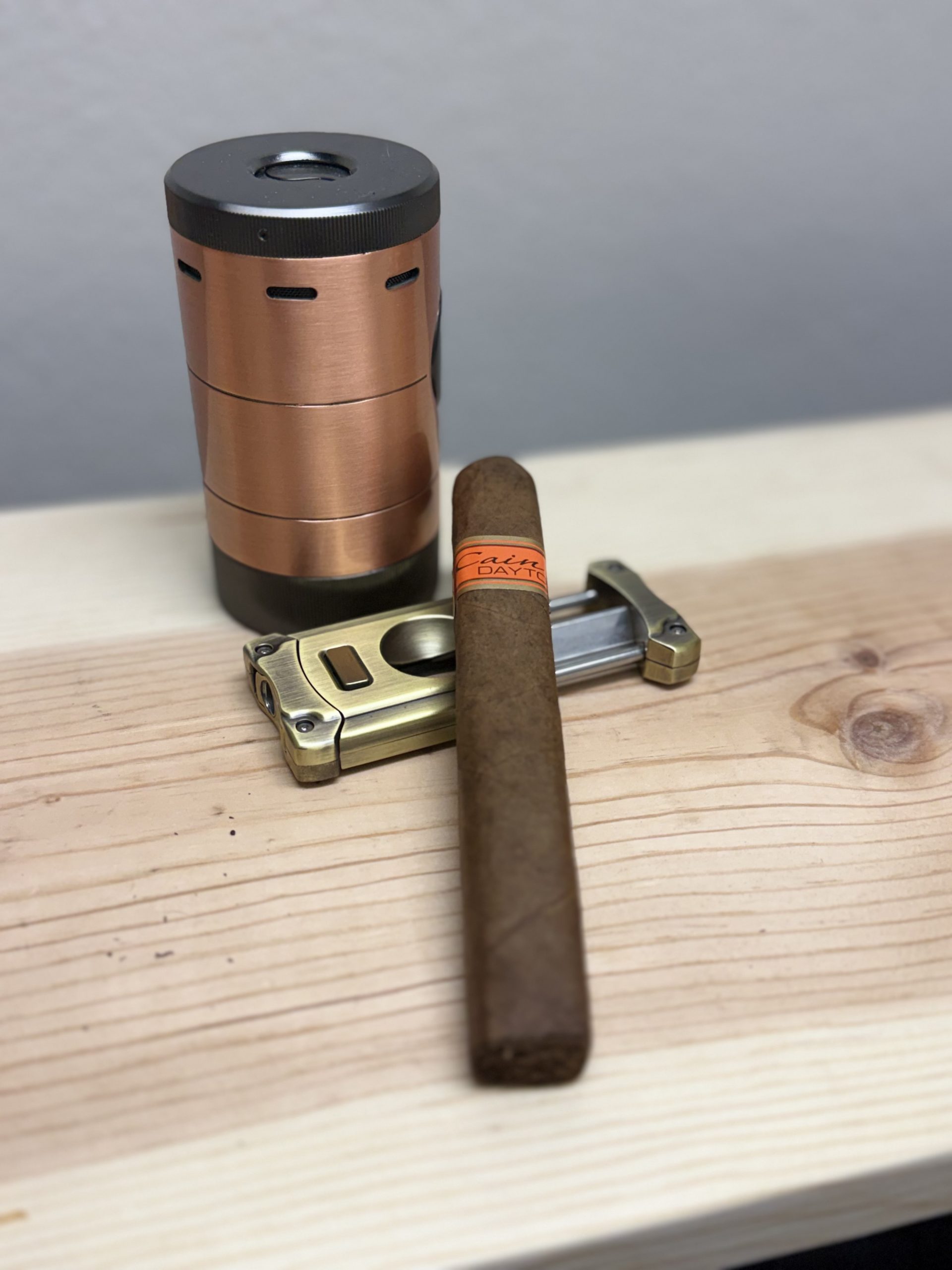
Closed foot. That’s already speaking my language. This Nica Rustica Connecticut Broadleaf Toro is firm from head to closed foot, no soft spots, no loose shoulders. It feels like a properly packed stick—enough weight in the hand to tell you they weren’t stingy with the filler. The wrapper and closed foot both carry a spicy, earthy scent. Nothing perfumed or dainty about it; it smells like it has work to do.
A guillotine cut from the SV felt like an easy decision thanks to a pronounced cap that gave me plenty of confidence. The cold draw came through open and unrestricted, with that dirty cocoa note right out front—cocoa powder dragged through a little earth and dust, not bakery sweetness. One of my favorite parts of a closed foot is that first blast of wrapper on ignition. I tend not to toast the foot on these. I’d rather let the wrapper belt out the first note and see what tune it wants to play.
Lighting up, the cigar didn’t waste any time. Spice, earth, and bitter dark chocolate hit immediately. There was no soft opening, no gentle ramp-up. It went from “hello” to “let’s fight” in a hurry. That bitter edge hung out on the palate, and it wasn’t exactly the kind of enjoyment I prefer at the very beginning of a smoke. It had me wondering whether this was going to be one of those nights where I pushed through a cigar out of stubbornness instead of enjoyment.
The burn line didn’t exactly inspire confidence either. Early on, it simply wasn’t very straight. I started to reach for a joke about just how crooked it was, but let’s just say it wasn’t winning any awards for alignment. Lately, I’ve been really trying to focus on saving the burn line organically—working with stirrup placement, being patient, and only reaching for the torch when I absolutely have to. This stick gave me ample opportunity to put that into practice. It didn’t completely correct itself right away, but with some attention to how it sat and some time in the stirrup, the burn started trending in the right direction.
First Third
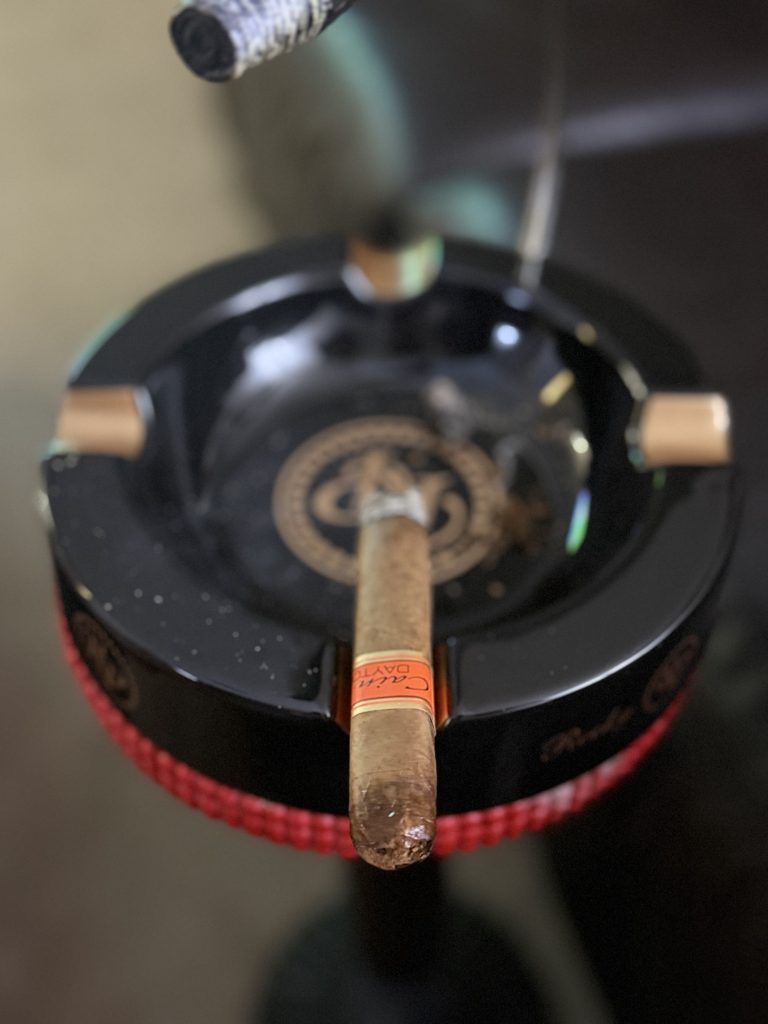
A few draws into the first third, I found myself in rare territory. It doesn’t happen to me very often, but I was genuinely wondering if I was going to finish this cigar. The strength and boldness weren’t the problem; I can live there just fine. The issue was the bitterness hanging around early, not in a quick-hit way, but in a “camped out on the palate” kind of way. It didn’t feel like the kind of enjoyment I usually look for right at the start of a cigar.
As the first third developed, the profile settled into a clear, defined trio: earth, pepper, and bitter dark chocolate. About half an inch in, I realized I might have been a little presumptive. The cigar hadn’t drastically changed; it had just collected itself. The bitterness was still part of the equation, but it started to feel intentional instead of sloppy. This wasn’t trying to sneak sweetness or cream in the back door. It was leaning hard into a darker, more bitter profile.
By around an inch, the profile hadn’t materially changed at all. Earth, pepper, and bitter dark chocolate held steady. The burn line continued to be less than impressive. It wasn’t a train wreck, but it wasn’t straight either. Still, I resisted the urge to blast it with the lighter. Instead, I kept adjusting how it rested, gave it time, and watched to see if it would self-correct. It didn’t fully fix itself in this third, but you could see the direction starting to shift. The cigar was telling me, “Give me a chance; I’ll get there.” The first third became a test of patience—for both flavor and construction. The profile wasn’t exactly how I like to start my evening, but it was at least consistent. The burn was wavy and a little frustrating, but it was manageable and slowly improving. I still wasn’t certain this was going to be “worth it,” but it hadn’t lost me yet.
Second Third
The second third is where my perspective shifted—not because the cigar changed dramatically, but because I did. The profile stayed very much the same: pepper and bitter dark chocolate leading the way, earth underneath. The difference was that my palate finally caught up. The bitterness that nearly pushed me out early on started to feel like part of the charm instead of part of the problem. I’m glad I powered through, because once it settled, this stick really did land in my lane.
By this point, the cigar felt “really in my lane; pepper, dark chocolate.” It became genuinely good—it just took some getting used to to find the good. The profile didn’t suddenly get sweet, creamy, or complex. It stayed firmly rooted where it was. The evolution here was less about flavors appearing and disappearing, and more about my palate adapting to what the cigar had decided to be.
Construction continued to tell its own story. The burn line, which started off crooked and questionable, had mostly tightened up by now. It hadn’t perfected itself, but it had certainly gotten better. With a focus on patience instead of petroleum, another quarter-inch-plus of wandering burn ended up corrected the same way: stirrup placement, consistent draw, and time. No frantic torch corrections, no panicked surgery. Just letting the cigar do its work.
Flavor-wise, some minor wood notes started to show up—not a light cedar, but something with more body. Oaky feels closer to what I was getting. People like to talk about leather and chocolate in the second third of this line, and if I agree with them at all, it’s only because those notes were so faint I had to go hunting for them. This wasn’t a leather-and-chocolate symphony for me. It was still earth, pepper, and bitter dark chocolate with a little wood around the edges.
As the second third wound down, if I really, really—and I mean really—concentrated on what I was tasting, I could pull out a little espresso. Not a big bold coffee slam, just a hint, tucked away if you’re willing to work for it. The infamous tongue tingle showed up as well, but in a subtle way. Compared to other Nicaraguan sticks that really light up the tongue, this one was relatively restrained. Enough to remind me where the cigar comes from, not enough to feel like it was trying to burn my taste buds off.
Final Third
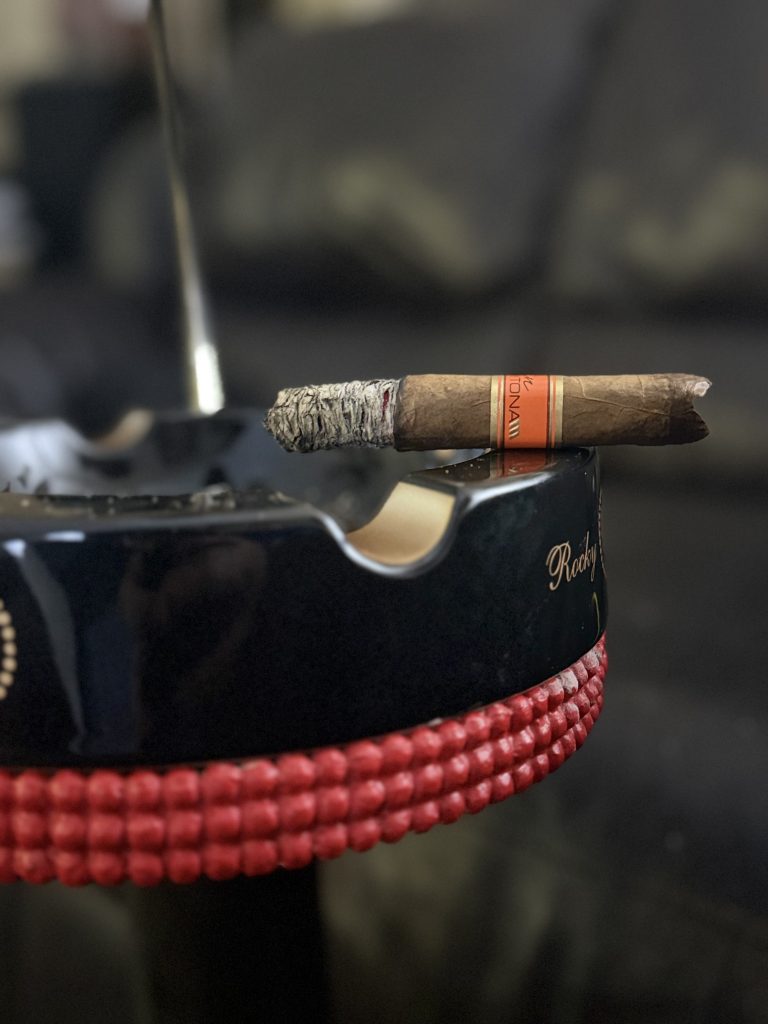
Entering the final third, the burn line had finally straightened right out. After the earlier wander and the mid-smoke mischief, seeing it come back into line on its own was satisfying. Another example of patience paying off instead of snapping to the lighter at the first sign of trouble. At this point, construction was no longer part of the stress equation. I could just focus on the cigar.
Flavor-wise, the final third stayed faithful to the rest of the experience. Pepper was strong and long, front and center. If you like your final third to lean heavily into pepper, this cigar absolutely obliges. The bitter dark chocolate stayed present, but by this stage it wasn’t fighting me anymore. It was settled, familiar, and very much part of the identity. A little oak sat alongside the earth and wood that had been riding with me from the middle of the cigar onward.
As it came down to about an inch left, the profile was “real solid earth and wood” with that same pepper and dark chocolate backbone. The tongue tingle was still there, just as subtle as before. The cigar didn’t turn sharp, sour, or metallic. It didn’t unravel, and it didn’t suddenly morph into something different to try to win last-minute points. It finished the way it lived: bold, rustic, and consistent.
If you came into this expecting a cigar that blossoms into something dramatically new in the final third, you’re going to think it fell flat. If you came into it accepting that some cigars just choose a lane and stay there, you’ll see this one as finishing exactly how it should.
Millennium of Aftermath
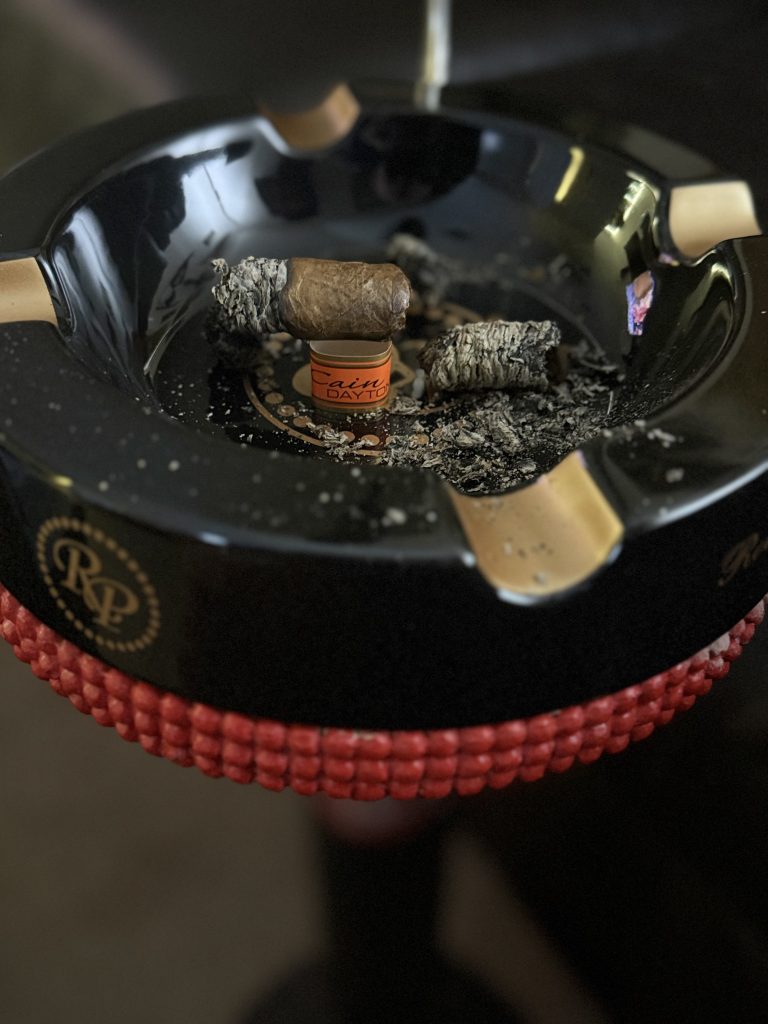
The big question with this cigar is simple: was it worth trusting my gut and pushing past that rough, bitter start? For me, the answer is yes. Not in a “new favorite cigar” way, but in a “glad I didn’t put it down” way. This is a cigar that dared me early on to walk away. Once it settled, it rewarded the decision to stick it out.
Did it change much by thirds? No. The Nica Rustica Connecticut Broadleaf Toro isn’t about progression. It’s about commitment. Once it found that lane of pepper, bitter dark chocolate, earth, and wood, it stayed right there from the early inches to the final inch. Any subtle wood, espresso, or faint sweetness that may have drifted in was secondary. The core stayed the same. The cigar knew exactly who it was and stayed true wire to wire.
Construction made the same journey. It started a little ugly, wandered enough to make me think about torching it, and then slowly came back into line when I gave it patience instead of panic. Another quarter-inch-plus burn issue popped up later, and again, patience—not petroleum—fixed it. By the final third, the burn line had straightened itself out and stayed respectable to the end.
For 1 hour and 57 minutes of smoking time at $4.16 from CigarPage, this cigar lands squarely in “Worth the Smoke” territory. It’s not perfect. It’s not a box-on-sight cigar for me. But it is a bold, rustic, unapologetic stick that, once settled, fits nicely into a pepper-and-dark-chocolate lane I actually enjoy. It took some getting used to to find the good, but once I found it, it stayed.
**Band Rating:** 3 Bands — Worth the Smoke.
-
Brazil by Way of Honduras
Oz Family Maracana Toro – Bury the Leaf Some cigars introduce themselves politely. The Maracana…
-
Wanted for Disturbing the Peace
Black Label Trading Company Lawless Robusto – Bury the Leaf Some cigars politely introduce themselves.…
-
Sometimes the Guy Behind the Counter Knows Something
Stolen Throne Call to Arms Sumatra – Bury the Leaf There are plenty of ways…

Final Verdict — Buy Again?
Maybe
Leave a Reply