Oz Family Maracana Toro – Bury the Leaf
Some cigars introduce themselves politely. The Maracana walked through the door, shook my hand, helped itself to a chair, and started telling stories like we had known each other for twenty years.
That probably fits a cigar named after one of the most famous stadiums on Earth. OZ Family Cigars built Maracana around Brazilian tobacco, handed the production duties to My Father Cigars Honduras, and ended up with something that has no interest in hiding in the background. This thing showed up to play.
More importantly, it kept changing the game.
What began with earth, black pepper and charred oak wandered through caramel sweetness, leather and roasted nuts before circling back toward coffee, pepper and earth near the finish. It wasn’t complexity for complexity’s sake, either. Every transition made sense, like somebody actually drew the route before sending everybody onto the field.
At $11.09 from The Cigar Vault in Oakdale, Pennsylvania, I went into this one with no previous experience with OZ Family Cigars.
That problem has officially been corrected.
By the Numbers
- Vitola: Toro — 6½ × 50, soft box press
- Wrapper: Brazilian Arapiraca
- Filler/Binder: Honduran and Nicaraguan filler / Honduran and Nicaraguan double binder
- Cut: Colibri V-Cut
- Procured from: The Cigar Vault — Oakdale, Pennsylvania
- Price Paid: $11.09
- Estimated MSRP: $12.95
- Duration: 1 hour, 14 minutes
- Band Rating: 5 Bands — Chase It Down
Construction & First Impressions
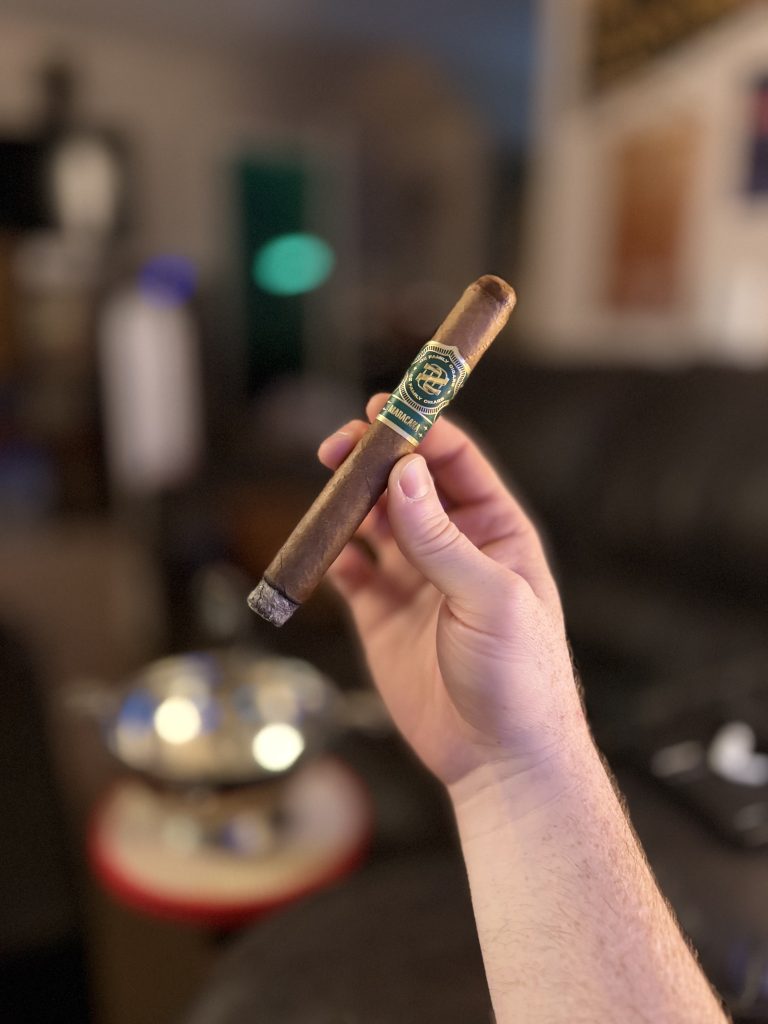
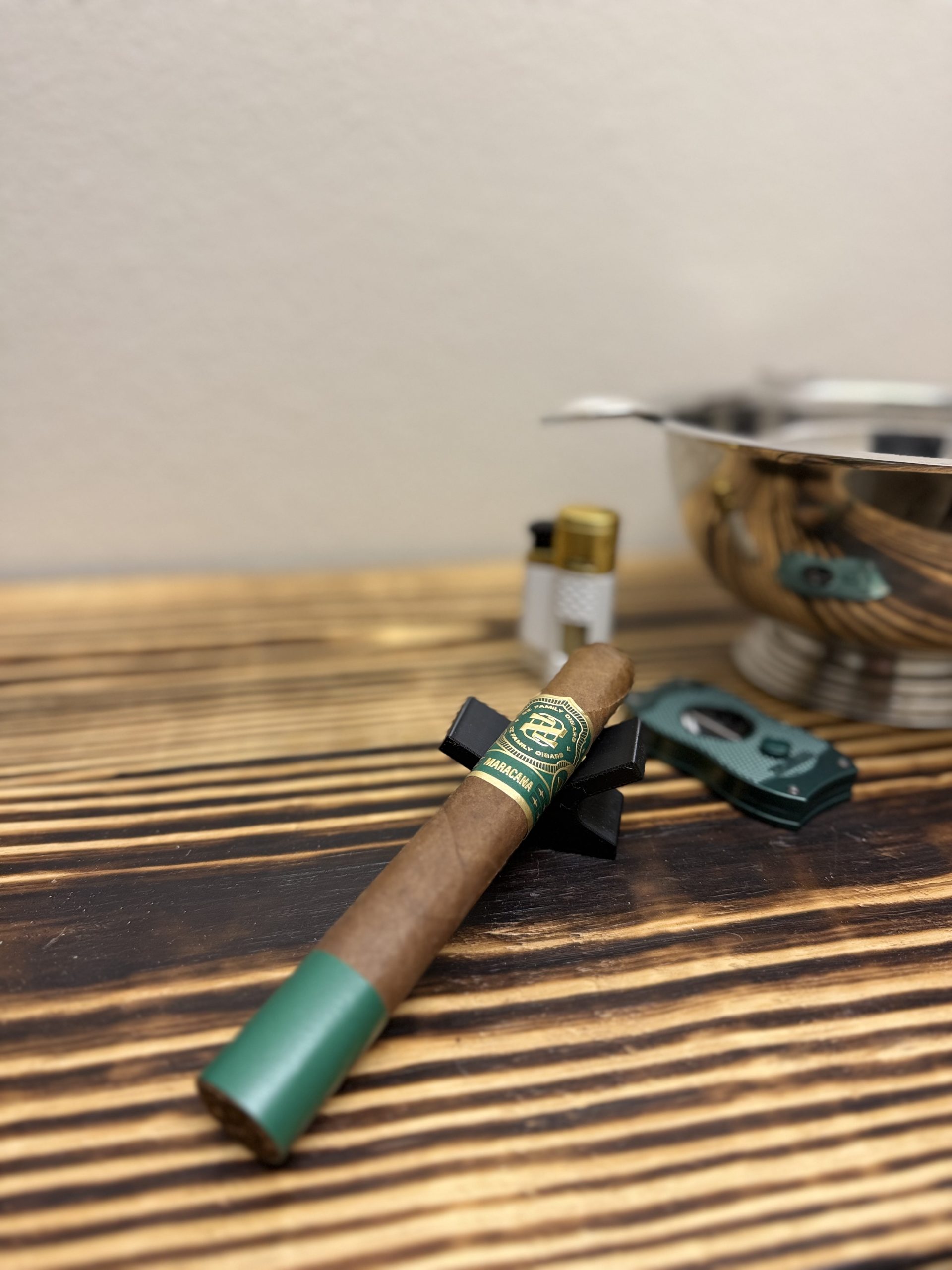
The Maracana is a handsome cigar without trying too hard to be one. The Brazilian Arapiraca wrapper has some visible veins and a rustic character that fits the cigar better than a perfectly manicured wrapper probably would. The soft box press feels good in the hand, the seams were tight, and there was nothing from cap to foot that immediately raised a construction concern.
Then there’s the band.
Green, gold and cream surround the OZ Family crest, and the secondary Maracana band keeps the Brazilian theme going without looking like somebody attacked the cigar with a souvenir-shop color palette. Even the paper has an embossed, almost leather-like texture to it. It’s a small detail, but a damn cool one.
The wrapper offered earth, chocolate and a little sweetness before the cut. Being softly box-pressed meant there was never much debate about the cutter: the Colibri V-Cut went to work and left its usual deep, clean channel.
The cold draw had an unidentified sweetness that I couldn’t quite place. Once fire entered the equation, though, things became much clearer.
Sweet earth and tobacco came first from the aroma. The first actual draws added black pepper and coffee, with the earth immediately establishing itself as the center of gravity.
Then came charred oak.
That was the moment the Maracana got my full attention.
First Third
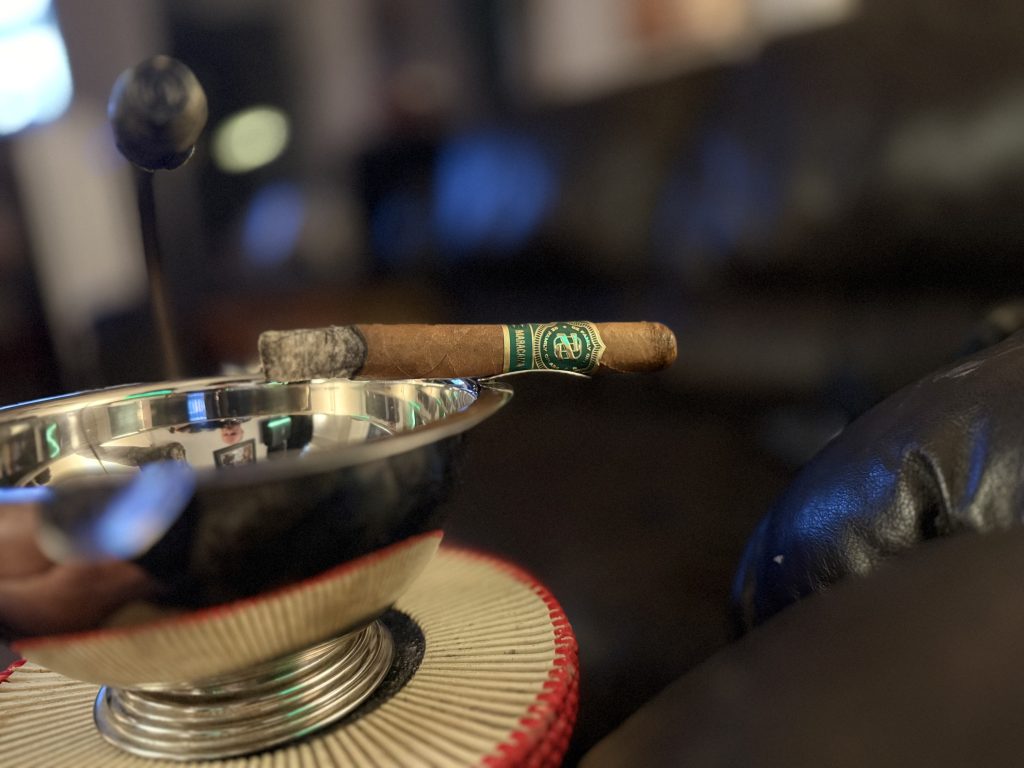
The opening profile was bold without being reckless. Earth and black pepper did most of the heavy lifting, espresso sat farther back, and that charred-oak note wandered in and out of the profile. It was woody, dark and deep without turning bitter.
There was also a sweetness hanging around that I couldn’t immediately identify. It wasn’t enough to change the character of the cigar, but it kept softening the edges of the earth and pepper.
A glass of unsweetened black tea over a large ice sphere came along for the ride, and this turned into one of the more interesting pairings I’ve had.
Usually I talk about the drink bringing something out of the cigar. Here, the cigar changed the tea.
The combination of the Arapiraca sweetness, earth and pepper made plain unsweetened tea seem sweeter. Not Sweet’N Low fake-sweet. Nothing like that. It was more an underlying impression of sweetness that seemed to appear only after a draw from the cigar.
That’s backwards from how these pairings normally work, and I was absolutely here for it.
By the middle of the first third, earth and black pepper were still running the show. Espresso had moved farther into the background while charred oak continued making appearances. The draw remained free-flowing, smoke production was excellent, and the burn gave me nothing to complain about.
This cigar had been resting in a Daniel Marshall humidor for at least several weeks before the review, and whatever combination of tobacco, construction and proper rest was responsible, the Maracana was behaving beautifully.
Near the end of the first third, that unidentified sweetness finally gave me something to call it.
Caramel.
And I didn’t see it coming.
Second Third
The transition into the second third wasn’t subtle.
Leather moved forward and became one of the dominant flavors, taking the cigar away from the earth-and-pepper opening and into something richer and rounder. On the retrohale, a roasted nuttiness began developing alongside it.
Leather. Roasted nuts. That underlying caramel sweetness.
Now we were getting somewhere.
There was still enough pepper around to remind me of the cigar’s roots, but the Maracana wasn’t content to sit on the opening profile and ride it until the band. It was moving.
That’s where this cigar really separated itself.
Plenty of cigars taste good. Plenty burn well. Plenty can give you two or three flavors worth talking about. The Maracana actually developed. The profile I was smoking in the middle wasn’t simply a quieter version of the cigar I lit.
Meanwhile, the construction just kept doing its job.
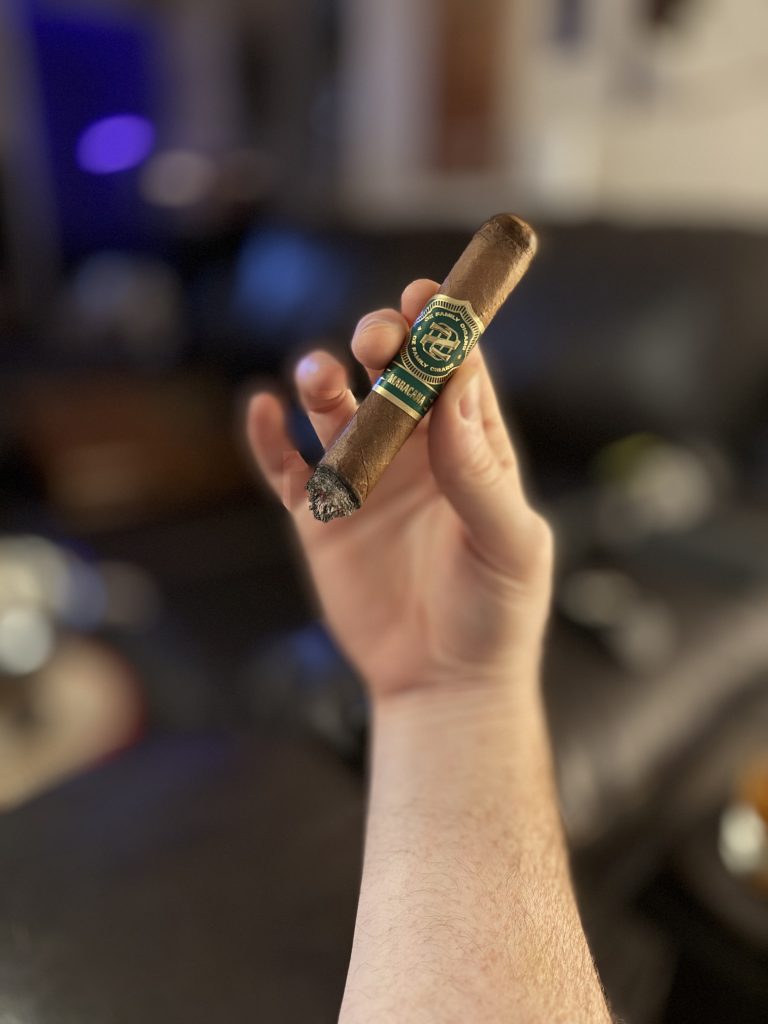
The soft box press remained comfortable, the draw stayed wide open without becoming loose, and smoke poured off the cigar. The ash was considerably darker than the bright-white stack some smokers like to photograph, but I couldn’t have cared less. It held well, the burn behaved, and the cigar required very little babysitting.
The caramel-like sweetness continued underneath everything without turning the cigar sugary. Leather eventually began fading, and the nuttiness took over.
More specifically: roasted peanuts.
It sounds almost too ordinary written down, but in the context of this blend it worked. The nuttiness filled the space left by the retreating leather while the pepper dropped substantially.
At this point I was well past wondering whether I liked my first OZ Family cigar.
I was wondering what else they made.
Final Third
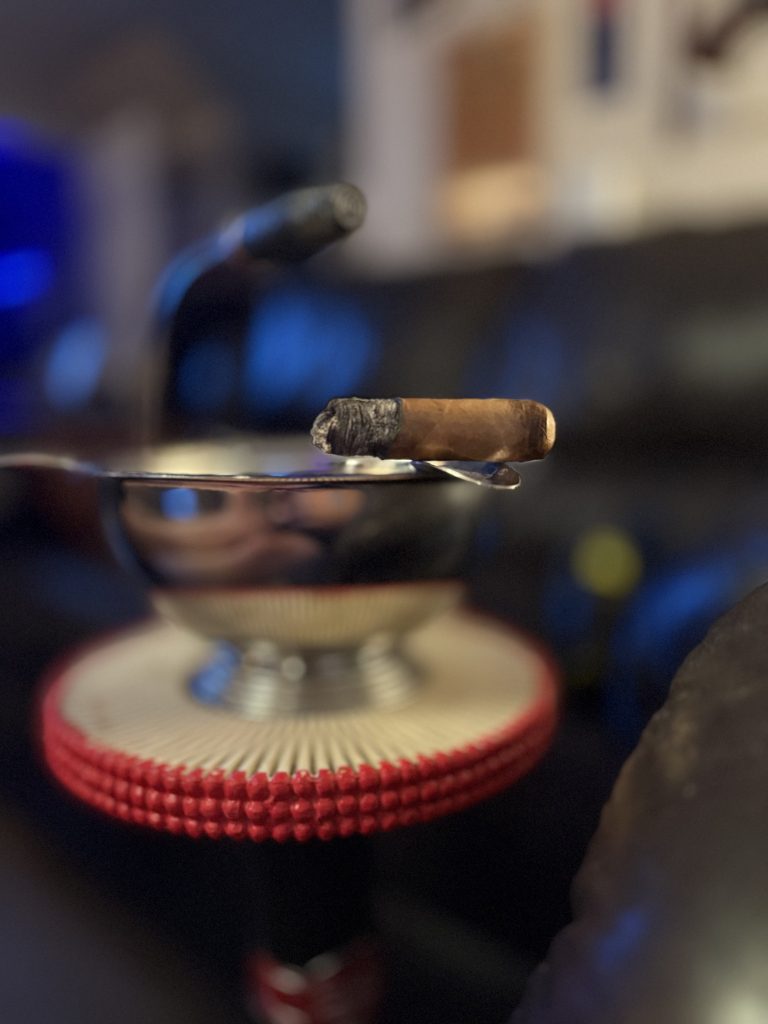
The roasted-nut profile carried into the final third, but the Maracana had one more move waiting.
Black pepper started creeping back.
Earth returned behind it.
Then came roasted coffee bean.
It felt like the cigar was revisiting its opening argument after spending the middle of the smoke somewhere completely different. The early earth and pepper had evolved through caramel, leather and roasted nuts, and now pieces of that original profile were returning with coffee joining the mix.
That’s the kind of progression I want when somebody tells me a cigar is complex.
Not fifteen tasting notes stacked on top of each other because somebody needs to fill a paragraph. Give me a cigar that actually goes somewhere.
The Maracana did.
Roasted coffee bean, underlying black pepper and earth carried the final stretch while the nuttiness gradually faded. Nothing turned harsh. Nothing collapsed. There was no late-stage punishment for sticking around.
The cigar had been flavorful from the first few draws and remained that way until there wasn’t much left worth holding.
And the black tea?
Still working.
The pairing never took control of the cigar. Instead, the cigar continued making the tea more interesting, which may be the strangest compliment I’ve ever given a pairing. Unsweetened black tea is about as uncomplicated as beverages get, yet the Maracana managed to pull an almost sweet character out of it.
That’s going in the notebook.
Millennium of Aftermath
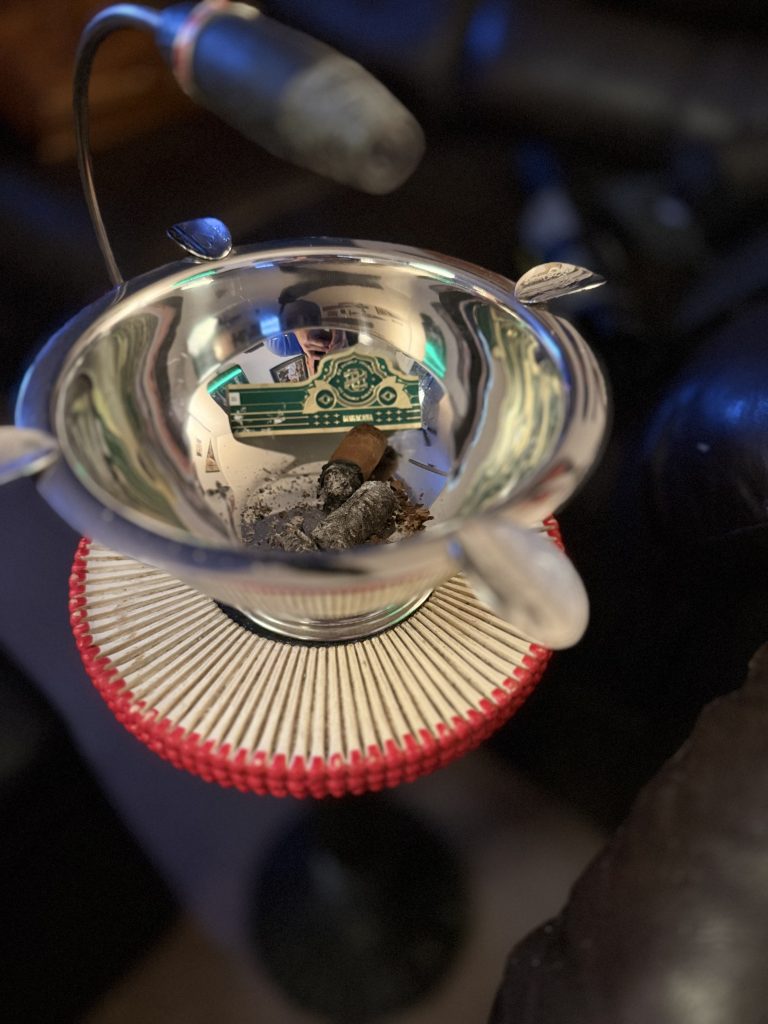
First exposure to OZ Family Cigars: successful.
Very successful.
The Maracana Toro delivered one of those experiences where all the individual pieces make sense on paper, but the finished cigar is better than the ingredient list suggests. Tim Ozgener’s blending, Brazilian Arapiraca, Honduran and Nicaraguan tobacco, and production at My Father Cigars Honduras all came together into something with its own identity.
The opening earth, black pepper and charred oak would have been enough to make a good cigar. The caramel sweetness made it more interesting. The move into leather and roasted nuts gave the middle a completely different personality. Then roasted coffee, pepper and earth brought the whole thing back around.
That’s a journey.
Construction never got in the way of it, either. The draw was excellent. Smoke production was generous. The burn behaved. The ash even waited until I was preparing to brag about how well it was holding before dropping roughly an inch and a half directly into my lap.
Apparently the Ryobi hand vac needed a cameo.
At $11.09, this wasn’t merely worth what I paid. I’d go looking for more. Even at the roughly $12.95 MSRP, the Maracana sits in a price range where this level of flavor development and construction makes a compelling argument for humidor space.
And that’s where the rating gets serious.
Five Bands aren’t supposed to be handed out because I had a good afternoon. Box Worthy already covers a damn good cigar. Chase It Down is supposed to be reserved for the ones that make me start thinking about where I’m getting the next one.
The Maracana did exactly that.
I came into this review having never smoked an OZ Family cigar. I left wanting to see what else Tim Ozgener is putting out and wanting another Maracana in the process.
The unsweetened tea pairing was damn near perfect. The cigar was flavorful from beginning to end. The transitions were real. The construction was excellent. And at the price I paid, there isn’t much left for me to argue with.
Brazilian Arapiraca and I may still be getting acquainted.
This was one hell of an introduction.
5 Bands — Chase It Down.
-
Brazil by Way of Honduras
Oz Family Maracana Toro – Bury the Leaf Some cigars introduce themselves politely. The Maracana…
-
Wanted for Disturbing the Peace
Black Label Trading Company Lawless Robusto – Bury the Leaf Some cigars politely introduce themselves.…
-
Sometimes the Guy Behind the Counter Knows Something
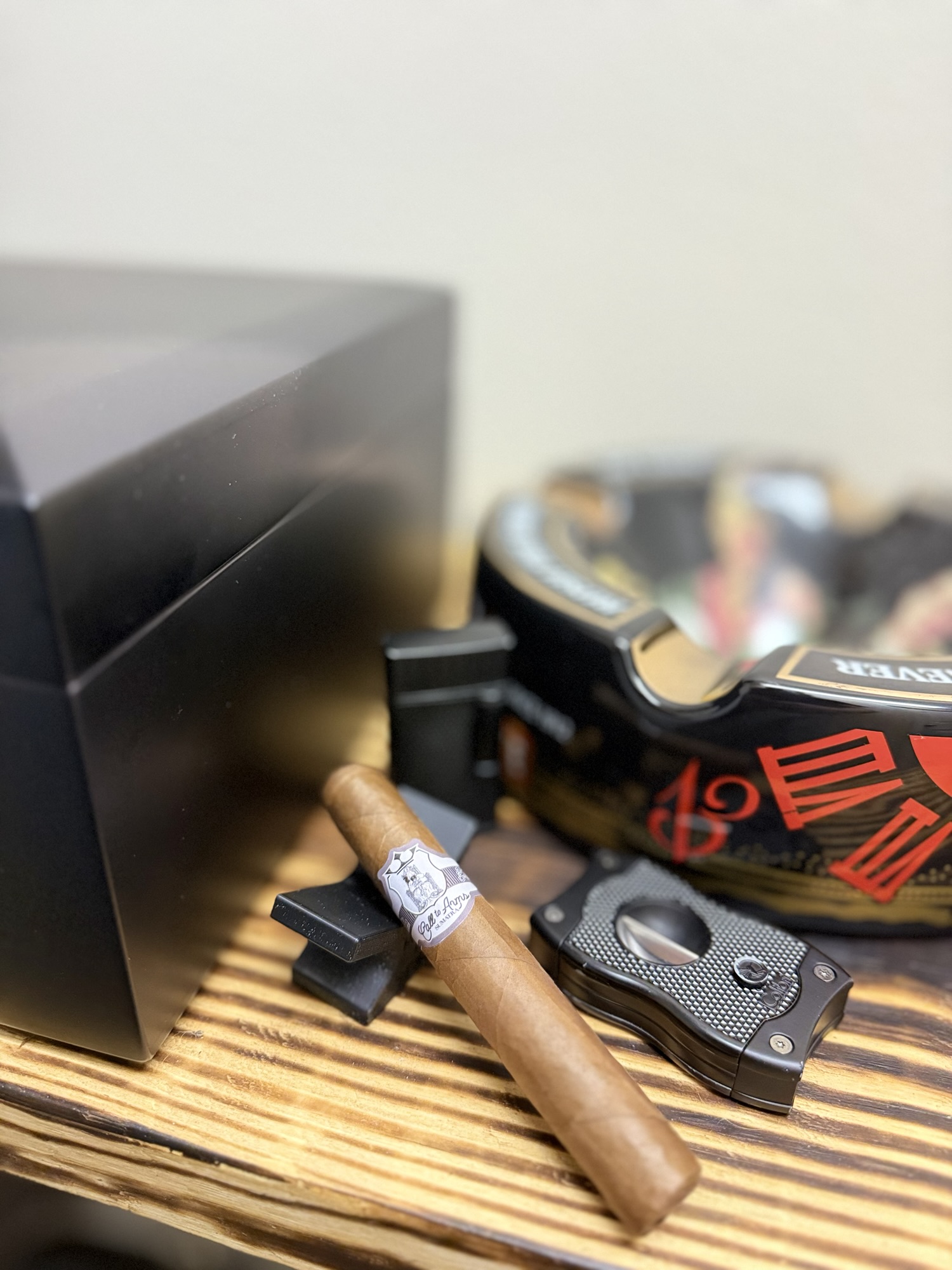
Stolen Throne Call to Arms Sumatra – Bury the Leaf There are plenty of ways…

Leave a Reply